
GHK-Cu
£55.00
- Multiple sizes available50 MG · 100 MG
- StockChoose a size
- Size–
- SKUghk-cu
- Research use onlyYes
Bundle & save
More of your chosen vial, better value.
Choose a vial size to see your savings.
Applies to the same product and vial size.
Buying for a business? Apply for a trade account
DESCRIPTION
GHK-Cu (Copper Tripeptide-1) – Available in 50mg and 100mg vial
Copper-Binding Research Peptide for Collagen Signalling & Tissue Regeneration Studies
GHK-Cu (Copper Tripeptide-1) is a naturally occurring copper-binding peptide first identified in human plasma and is widely studied in regenerative, dermatological, and connective tissue research.
By forming a complex with copper ions, GHK-Cu creates a distinctive blue copper-peptide structure that researchers investigate for its interaction with collagen signalling, extracellular matrix regulation, tissue remodelling, and connective tissue maintenance pathways.
Due to the essential role copper plays in various biological and enzymatic processes, GHK-Cu has become one of the most extensively researched peptides in studies involving skin structure, tissue regeneration, and age-related changes in connective tissue integrity.
Key Features
✓Naturally occurring copper-binding tripeptide
✓Widely studied in collagen and extracellular matrix research
✓Investigated for its role in connective tissue signalling
✓Frequently examined in skin structure and dermal biology models
✓Associated with copper transport and tissue remodelling pathways
✓Popular within regenerative and longevity-focused research programmes
Why Researchers Study GHK-Cu
Collagen Signalling Research
GHK-Cu is commonly investigated for its interaction with pathways involved in collagen organisation, connective tissue maintenance, and extracellular matrix regulation.
Dermal Structure Studies
Researchers frequently study GHK-Cu in laboratory models examining skin density, elasticity signalling, and dermal structural integrity.
Copper Transport Mechanisms
As a copper-binding peptide, GHK-Cu serves as a model for understanding how bioavailable copper is transported and utilised within biological systems.
Tissue Remodelling Research
Extensively researched in pathways associated with cellular turnover, tissue organisation, and structural protein regulation.
Scientific Research Context
Collagen and extracellular matrix proteins are fundamental components of connective tissue, supporting structural integrity throughout the body. Researchers continue to explore how regulatory peptides influence the signalling pathways involved in maintaining these structures.
GHK-Cu has been studied for its interaction with mechanisms associated with:
- Collagen signalling
- Extracellular matrix regulation
- Connective tissue organisation
- Gene expression pathways
- Tissue remodelling processes
- Cellular maintenance and repair signalling
Researchers are also interested in the role of copper-dependent biological pathways, as copper serves as an important cofactor in numerous enzymatic systems linked to tissue structure and maintenance.
Common Research Applications
GHK-Cu is frequently studied in models involving:
- Dermal structure and skin biology research
- Collagen signalling pathway studies
- Extracellular matrix regulation
- Tissue remodelling investigations
- Connective tissue organisation research
- Regenerative signalling models
- Cellular turnover studies
- Age-related connective tissue research
Commonly Paired Research Peptides
Researchers investigating regenerative and connective tissue pathways often study GHK-Cu alongside:
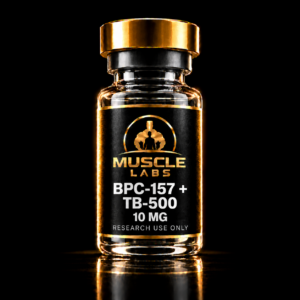
- BPC-157 – connective tissue and recovery signalling research
- TB-500 – cellular migration and tissue remodelling studies
- Wolverine Stack – combined regenerative pathway research
- Epitalon – cellular maintenance and longevity research
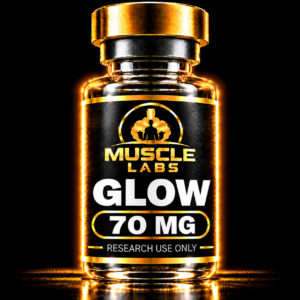
GLOW Blend Research
GHK-Cu is frequently referenced alongside BPC-157 and TB-500 in regenerative research frameworks.
This three-peptide combination forms the basis of the GLOW Blend, where researchers investigate how collagen signalling, vascular response pathways, connective tissue regulation, and cellular migration mechanisms interact within coordinated regenerative models.
Product Specifications
- Product Name: GHK-Cu (Copper Tripeptide-1)
- Peptide Type: Copper-Binding Tripeptide
- Research Category: Regenerative & Connective Tissue Research
- Primary Focus Areas: Collagen Signalling, Tissue Remodelling & Dermal Biology
- Physical Form: Lyophilised (Freeze-Dried) Powder
- Application: Research Use Only
Important Notice
For laboratory research use only – This product is intended solely for research, analytical, and educational purposes. It is not intended for human or animal consumption, therapeutic use, veterinary use, diagnostic procedures, or administration of any kind.

For laboratory research only. Not for human or animal consumption.